







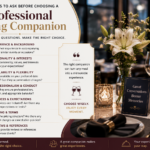

To choose a professional wellness studio, start with clarity rather than appearance. Confirm what the studio offers, who provides each service, how consent and privacy are handled, what the full cost will be and what happens if plans change. A calm interior may be appealing, but professional standards are shown through transparent information, respectful communication and consistent boundaries.
Anyone comparing a wellness studio in London will find everything from yoga and meditation classes to massage, movement coaching and complementary practices. That variety is useful, but the word “wellness” alone tells you very little. The right choice depends on the service you want, the setting in which you feel comfortable and the evidence a provider offers before asking you to book.
Begin With the Outcome You Actually Want
Before opening maps or review sites, define your reason for visiting. Are you looking for a quiet hour away from work, a beginner movement class, a regular mindfulness practice or a private appointment? Do you prefer individual attention or a group environment? Is convenience more important than an elaborate setting?
This step prevents a common mistake: comparing studios that serve completely different purposes. A yoga school, a massage studio and a medically led clinic should not be judged by one interchangeable standard. Each requires questions suited to its service.
Separate general wellbeing from healthcare as well. If you need help with persistent pain, anxiety, sleep problems or another health concern, begin with an appropriately qualified healthcare professional. A wellness service may support personal relaxation, but it should not diagnose a condition or promise a cure.
Look for Evidence, Not Just Atmosphere
Good photography can show the style of a room. It cannot prove that the service is clearly defined, practitioners are suitably prepared or personal information is handled responsibly.
A professional studio should make the decision easier by publishing useful details. Look for:
- a clear explanation of each service;
- the name or role of the person delivering it;
- the length and price of the appointment or class;
- suitability information and relevant limitations;
- expectations for arrival and preparation;
- privacy and cancellation terms;
- an accessible way to ask questions; and
- a complaints or feedback route.
Missing information does not automatically mean poor practice, particularly for a small independent business. However, vague answers after a direct enquiry are more concerning. Professional communication should reduce uncertainty rather than rely on mystery, pressure or extravagant promises.
Check Practitioner Identity and Accountability
Titles used across wellness are not regulated in one uniform way. The checks needed for a doctor, physiotherapist, counsellor, massage practitioner or yoga teacher are different. Ask which qualification or training is relevant to the exact service you are considering, who awarded it and whether it can be independently verified.
The Professional Standards Authority explains that not every health and care practitioner is regulated by law. It also oversees Accredited Registers for some occupations that use voluntary registration. Its Quality Mark indicates that a register has met standards covering areas such as education, complaints handling and business practices.
An accredited register will not apply to every wellness activity, and membership is not a substitute for your own judgement. Where a relevant register exists, check the practitioner’s name directly rather than relying only on a logo displayed on a website.
For other services, request straightforward information about training, experience, insurance and scope. A responsible practitioner should be able to explain what they do, what they do not do and when a client should seek a different kind of support.
Assess Consent and Professional Boundaries
Consent is not a form completed once and forgotten. It is an ongoing process that should continue throughout a class or appointment.
Before a private service, the provider should explain the format in plain language and invite questions. You should have an opportunity to share relevant preferences or concerns without being pressured to disclose more than is necessary. During the appointment, you should be able to pause, modify or stop.
In group movement or meditation settings, professional boundaries still matter. Teachers should explain optional activities, avoid unnecessary pressure and offer reasonable alternatives where possible. Nobody should imply that discomfort must be endured to prove commitment.
Be cautious when a provider:
- refuses to explain what will happen;
- treats questions as a lack of trust;
- introduces unexpected activities;
- discourages you from setting limits;
- makes personal contact outside agreed channels; or
- claims that only their method can solve your problem.
Clear boundaries do not make an experience cold. They create the conditions in which a person can make informed choices.
Review Hygiene and the Physical Setting
Cleanliness should be visible in the details. For appointment-based services, consider whether linens and frequently touched surfaces appear clean, handwashing facilities are available and the room feels properly maintained. Shared props and equipment should be handled in a way that matches the activity.
The environment should also support the promised experience. A meditation class needs enough space and manageable noise. A movement studio needs appropriate flooring, stable equipment and room for the number of participants. A private service requires genuine privacy rather than a thin promise of discretion.
Ask about changing facilities, accessibility, ventilation or product ingredients when these matter to you. If you have an allergy, disability, injury, pregnancy or health condition that may affect participation, raise it before booking and follow advice from a suitably qualified clinician.
Location matters in practical ways too. Check the exact address, entry instructions, nearby transport and what happens if a delayed journey makes you late. A studio that fits naturally into your week may be more valuable than one with a more impressive interior but an unrealistic journey.
Examine How the Studio Handles Personal Information
Booking forms may request contact details, preferences or relevant health information. The studio should explain why it needs the information, how it will be used and how long it may be kept.
The Information Commissioner’s Office identifies health information and information concerning a person’s sex life or sexual orientation as special-category personal data requiring additional protection. This makes a clear privacy notice particularly important when a provider requests sensitive details.
Before submitting a form, check whether the business identifies itself, provides a privacy contact route and distinguishes essential booking communication from optional marketing. Avoid sending sensitive information through an informal channel unless the provider has clearly explained why that channel is appropriate.
Privacy also includes conduct inside the studio. Staff should not discuss other clients, reveal booking information unnecessarily or use photographs without clear permission.
Understand the Price Before Paying
A price should make sense without detective work. Confirm what is included, how long the booked time lasts, whether consultation or changing time is part of the appointment and whether any optional extras carry a separate cost.
Read the deposit, rescheduling, lateness and cancellation terms before making payment. GOV.UK consumer guidance notes that a cancellation term is not fair simply because it appears in a contract; charges need to be reasonable in the circumstances. The guidance is general rather than individual legal advice, but it reinforces the value of reviewing terms in advance.
Be wary of pressure to pay immediately, transfer money to an unexplained account or purchase a large package before trying the service. A legitimate time-limited offer can exist, but urgency should not replace informed choice.
Treat Reviews as Clues, Not Proof
Reviews can reveal patterns, particularly around punctuality, cleanliness, communication and whether the description matched the experience. Read a mixture of recent comments rather than focusing only on the average rating.
Look for specific details. “The teacher explained modifications” is more informative than “amazing”. Similar language repeated across numerous reviews may be less useful than varied accounts describing different aspects of the service.
Consider how the business responds to criticism. A calm, factual reply that protects the reviewer’s privacy suggests more professionalism than an aggressive response or disclosure of personal details.
Reviews cannot verify every claim. They may be incomplete, incentivised or based on preferences unlike your own. Use them alongside policies, practitioner information and direct communication.
Use a Before–During–After Test
Professionalism is easier to assess when you look across the whole customer journey.
| Stage | Positive indicators | Warning signs |
| Before booking | Clear description, price, practitioner details, boundaries and contact route | Vague service, hidden cost, pressure or unsupported claims |
| On arrival | Respectful welcome, clean setting, confirmed expectations and opportunity for questions | Unexpected changes, poor privacy or dismissal of concerns |
| During the service | Ongoing consent, appropriate communication and freedom to pause | Pressure, boundary changes or discomfort being ignored |
| After the service | Clear payment, privacy respected and a feedback route | Surprise charges, intrusive follow-up or pressure to rebook |
One minor administrative mistake does not necessarily define a business. What matters is how the studio responds. Accountability means acknowledging a problem, explaining the next step and making reasonable efforts to resolve it.
Choosing a Studio for Tantra Yoga
Tantra Yoga is a broad label rather than one standardised class format. Different schools may emphasise posture, breathing, meditation, philosophy, mantra or embodied awareness. Read the full class description and ask what beginners will actually do.
Teacher behaviour matters as much as the timetable. Look for clear instructions, voluntary participation and appropriate options for different abilities. Ask whether physical adjustments are used and how permission is obtained. You should be able to decline an adjustment or exercise without embarrassment.
A credible teacher will not promise guaranteed spiritual, medical or emotional outcomes. They should also avoid presenting themselves as the only source of truth or pressuring students into expensive commitments. If a practice feels painful, dizzying or distressing, stop and seek suitable advice.
Applying the Same Standards to Private Massage
Adults considering a private massage setting should expect the same core standards: accurate descriptions, privacy, hygiene, consent, transparent costs and clear boundaries. Ask what the appointment involves before confirming and decide whether the answers match your preferences.
People searching for the most popular Tantric Massage parlour in London should regard the wording as a search phrase, not proof of a verified ranking. Popularity cannot establish whether a particular provider is suitable, professional or right for an individual.
Tantric Massage London provides a starting point for adults who want to review its current information and decide whether to make an enquiry.
Ten Questions to Ask Before Booking
Use these questions to compare providers consistently:
- What exactly is included in the service or class?
- Who will provide it, and what relevant training do they have?
- Is there a consultation or suitability check?
- How are consent and personal boundaries handled?
- What hygiene procedures apply to the space and equipment?
- What information will you collect about me, and why?
- What is the total price?
- What are the cancellation, rescheduling and lateness terms?
- Is the location accessible for my needs?
- How can I raise a concern or provide feedback?
The tone of the response is part of the answer. Clear, patient communication is reassuring. Evasion, pressure or irritation is useful information too.
Frequently Asked Questions
Should I choose the highest-rated studio?
Not automatically. Ratings can help identify patterns, but service clarity, practitioner suitability, boundaries, hygiene and direct communication are more dependable decision factors.
Does a more expensive studio provide a better service?
Price may reflect location, facilities, session length or practitioner experience, but it does not prove quality. Compare what is included and whether the experience suits your priorities.
Should I visit before booking?
For a membership or multi-session package, asking to see the space or book a single introductory session can be sensible. For private appointments, photographs, policies and a clear pre-booking conversation may provide enough information.
What if something feels unclear after I arrive?
Ask before proceeding. You may pause or decline an activity that differs from what was agreed. If the explanation does not resolve your concern, you can choose not to continue.
Choose the Evidence You Can Verify
Finding the right wellness studio in London is not about locating the most fashionable address. It is about matching a clearly defined service with your needs and confirming that the people delivering it communicate responsibly.
Look beyond atmosphere. Check identity, training where relevant, consent, privacy, hygiene, prices and complaint routes. Notice how the studio behaves when you ask an ordinary question. The most professional choice is usually the one that gives you enough information, time and space to decide for yourself.