
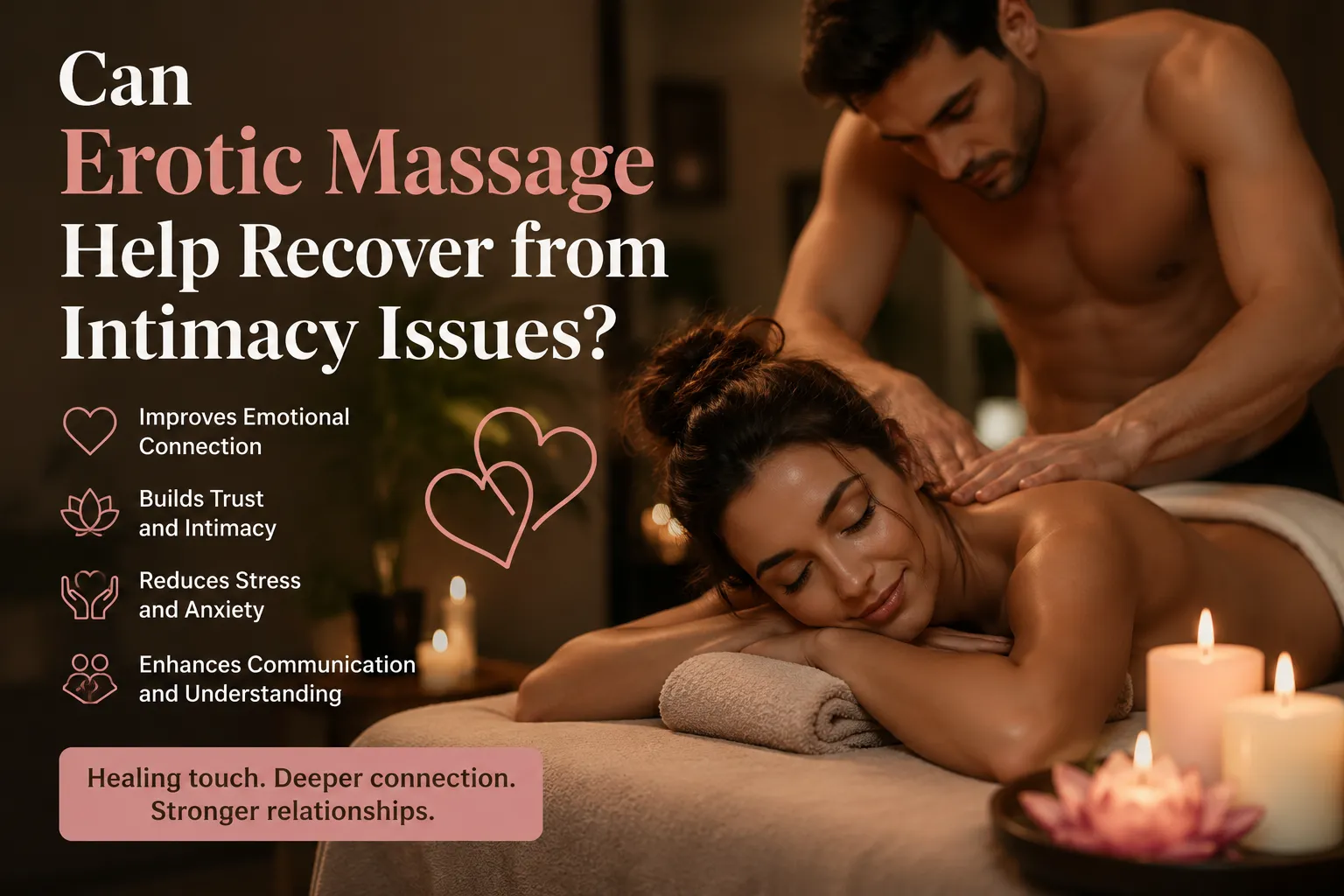
The pursuit of intimacy and emotional connection is a fundamental part of the human experience. When individuals or couples find themselves facing challenges in this area, whether it is a lack of physical closeness, performance anxiety, or a disconnect in communication, they often seek solutions that promise to reignite that spark.
Among the various methods explored, the concept of erotic massage often surfaces. However, the path to recovering from intimacy issues is multifaceted, and it is crucial to understand the distinct difference between therapeutic exploration, professional bodywork, and the risks associated with the commercial industry.
This article examines the nature of intimacy, the role of touch in relationship health, and why navigating these issues requires a careful, informed, and often clinical approach.
Defining Intimacy: Beyond the Physical
Intimacy is often mistakenly reduced to sexual activity. In reality, intimacy is a complex architecture of trust, vulnerability, and shared emotional safety. When intimacy issues arise, they are rarely just about a lack of physical stimulation. More often, they are symptoms of underlying stress, communication breakdowns, unmet emotional needs, or past trauma.
Because intimacy is so deeply connected to our emotional states, the way we attempt to fix it matters. Approaches that bypass communication and focus solely on physical output often fail because they do not address the core of the disconnection.
The Role of Touch in Relationship Health
Touch is the first sense to develop in the womb and remains a primary language of connection throughout our lives. It triggers the release of oxytocin, which is the bonding hormone. This hormone plays a vital role in building trust and reducing the cortisol levels associated with chronic stress.
Couples Massage as a Reconnection Tool
Within a committed relationship, non-sexual, intentional touch can be a transformative tool. When couples engage in a home-based massage, the objective is not necessarily to lead to sex, but to create a space of safety and presence.
- Reducing Performance Anxiety: Many intimacy issues stem from the pressure to perform. By engaging in slow, meditative massage, couples can decouple touch from the expectation of sexual gratification. This allows them to relax into their own sensations without the anxiety of the next step.
- Building Trust: The act of caring for one’s partner through touch requires attunement and care. This builds a form of non-verbal trust that can spill over into other areas of the relationship, making it easier to discuss sensitive topics.
However, this work is most effective when it is private and intentional. It is a shared practice of mutual discovery that reinforces the bond between two specific people.
The Reality of Professional Erotic Massage
When one searches for erotic massage in London in a commercial context, the landscape changes drastically. It is essential to understand that commercial establishments offering these services operate in a sphere that is distinct from legitimate physical therapy or clinical sex therapy.
Professional Boundaries and Regulations
In professional wellness circles, such as licensed massage therapy clinics in London, sexual contact is strictly forbidden. A licensed therapist is trained to address muscular tension, joint health, and nervous system regulation. If a service is marketed as erotic, it is, by definition, outside the scope of legitimate healthcare. These establishments often lack the oversight, clinical training, and professional ethics that govern the wellness industry.
The Risks of Unregulated Services
Engaging with commercial establishments that operate in the grey areas of the law carries inherent risks.
- Exploitation: Many facilities operating under the guise of erotic or tantric services are associated with wider networks that do not prioritize the welfare of their workers or the safety of their clients.
- Lack of Emotional Containment: Intimacy issues are often rooted in deep-seated psychological patterns. A brief encounter in a commercial setting cannot provide the containment or the therapeutic environment required to work through these issues. In many cases, these experiences can even exacerbate feelings of isolation or confusion.
- Legal Concerns: As noted in the broader UK wellness landscape, authorities actively monitor and regulate services that violate public morality. Relying on anonymous listings or unverified commercial providers can lead to complications that far outweigh any perceived benefit.
Tantra: Misconception versus Authentic Practice
The term Tantra is frequently co-opted to sell services that have little to do with the actual philosophy. This commercialization creates a dangerous confusion for those genuinely seeking help for intimacy issues.
Authentic Tantra
Authentic Tantra is a spiritual practice designed to harmonize the body and mind. It utilizes breathwork, mantra, and meditation to help individuals feel more at home in their bodies. The best tantric studio in London or other reputable centers of learning emphasize that Tantra is a tool for self-realization, not a quick fix for sexual dysfunction.
Tantra Yoga for Better Health
For those looking to improve their intimacy, practicing Tantra yoga for better health is a much more effective and sustainable strategy than visiting a commercial parlor. Tantra yoga teaches:
- Body Awareness: Developing a more nuanced relationship with your own physical sensations.
- Regulation of Breath: Learning to calm the nervous system through pranayama, or breath control, during moments of stress or arousal.
- Presence: The ability to remain fully present in the moment rather than trapped in a loop of performance anxiety.
These internal skills are what actually bridge the gap in intimacy, as they empower you to communicate your needs and enjoy connection without the crutch of external commercial services. If you are looking for guidance on what constitutes a legitimate practice versus a most popular tantric massage parlor in London, always prioritize establishments that emphasize education and personal development over purely transactional experiences.
When to Seek Professional Clinical Help
If intimacy issues are affecting your quality of life, your relationship, or your self-esteem, they should be treated with the same seriousness as any other health concern.
- Sex Therapy: A licensed sex therapist is a professional who specializes in the intersection of physical function and psychological health. They provide evidence-based techniques to help individuals and couples navigate issues like low desire, pain during intercourse, or performance anxiety.
- Psychotherapy and Couples Counseling: Often, intimacy issues are external manifestations of internal dynamics. A psychotherapist can help you unpack the fears, insecurities, or communication styles that are preventing you from connecting.
- Medical Consultation: In some cases, intimacy issues have a purely physical cause, such as hormonal imbalances, medication side effects, or chronic health conditions.
Conclusion
The desire to recover from intimacy issues is a healthy and natural goal. However, erotic massage offered as a commercial service is not a path to that recovery. It is a sensory experience that lacks the therapeutic structure, psychological safety, and clinical oversight required to heal the underlying causes of disconnection.
Real recovery comes from the work of rebuilding safety, increasing self-awareness, and improving communication. Whether you achieve this through private practice with a partner, the consistent study of Tantra yoga for better health, or the professional guidance of a certified sex therapist, the most effective methods are those that empower you to own your experience.
Do not look for external miracles in the form of commercial massage parlors. Instead, focus on building the internal resources, such as the ability to communicate, the capacity for self-regulation, and the willingness to be vulnerable, that make true intimacy possible.
Disclaimer: This content is for educational purposes and does not constitute medical advice. If you are experiencing persistent intimacy or sexual health issues, please consult with a licensed healthcare provider, psychotherapist, or sex therapist. Always prioritize professional services and verify the credentials and physical business location of any wellness practitioner.