









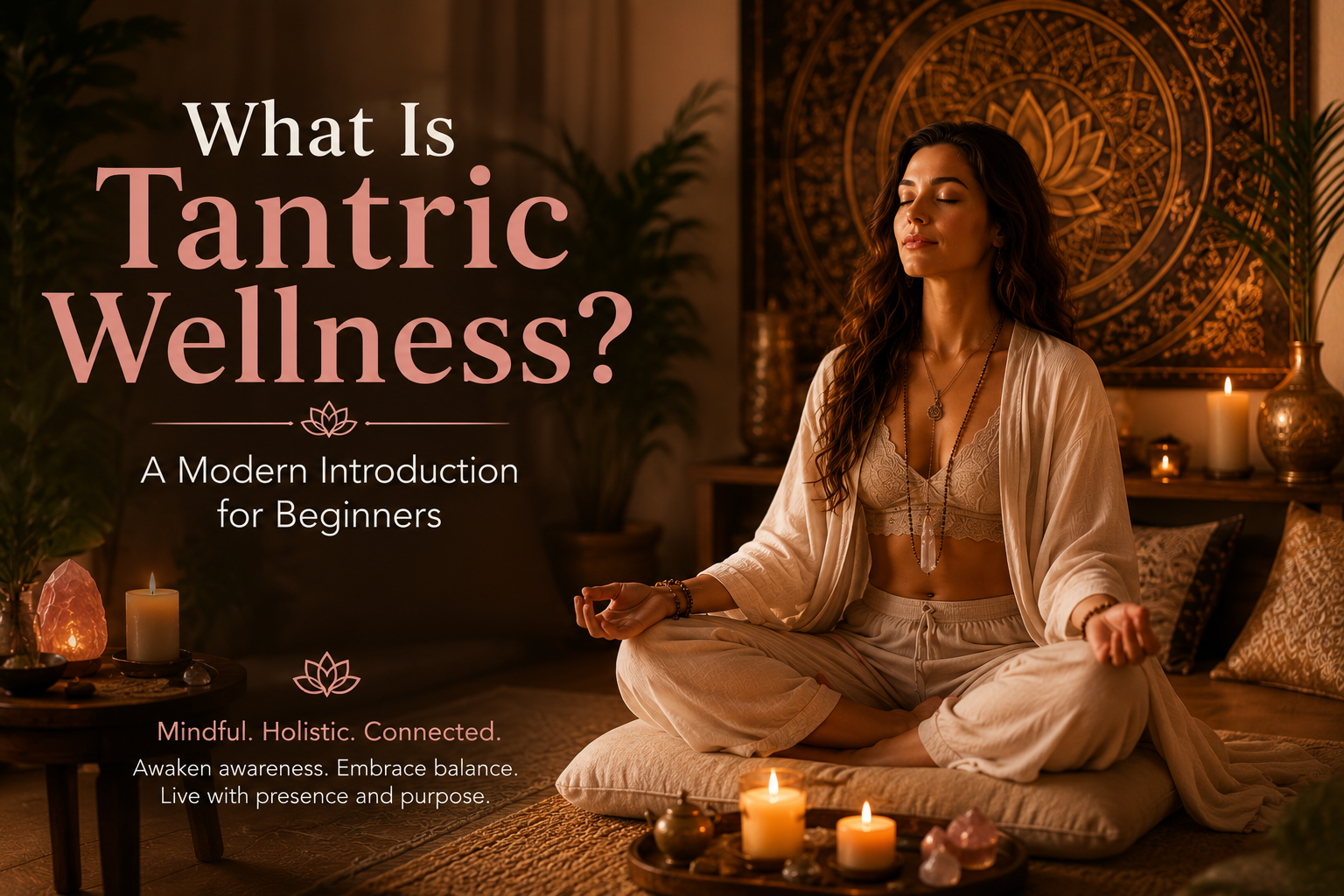
Tantric wellness is a contemporary term for practices that combine mindful attention, body awareness, breathing, gentle movement and intentional rest. It is not one standard therapy, and it should not be confused with the full religious and philosophical traditions of Tantra. For beginners, its most useful purpose is to create a more attentive relationship with everyday experience.
Interest in tantric wellness London services reflects a wider desire for slower, more personal approaches to wellbeing. People may encounter the phrase through yoga, meditation, breath awareness, retreats, massage or private wellness sessions. These experiences can differ considerably, so understanding the language matters before choosing a class or appointment.
This beginner’s guide explains what modern tantric wellness may include, how it differs from historical Tantra, what “energy awareness” can reasonably mean and how to begin without accepting exaggerated promises.
Tantra and Tantric Wellness Are Not Identical
Tantra refers to diverse traditions that developed within Hinduism and Buddhism. They include sophisticated philosophies, texts, rituals, visualisations and contemplative practices. There is no single historical system that can be reduced to breathing, yoga or a modern wellness treatment.
The Metropolitan Museum of Art’s discussion of Tibetan Vajrayana illustrates this depth. It describes advanced ritual traditions connected with spiritual awareness and enlightenment, some of which were intended only for experienced practitioners. That history is very different from the accessible wellbeing activities commonly marketed in London today.
Modern tantric wellness borrows selected themes such as presence, embodied attention, breath, ritual and respect for experience. It places them in a contemporary, usually non-religious setting.
That adaptation is not automatically misleading. Traditions regularly influence modern practice. The important point is transparency. A provider should be clear about whether it is teaching a particular lineage, offering a personal contemporary method or simply using “tantric” to describe an atmosphere and style of attention.
A Practical Definition for Beginners
In a modern wellbeing context, tantric wellness can be understood through five qualities:
- Presence: noticing what is happening without immediately trying to change it.
- Embodied awareness: paying attention to physical sensations, posture and breath.
- Intentional pacing: slowing an activity enough to experience it fully.
- Clear boundaries: respecting comfort, consent and personal choice.
- Integration: carrying useful awareness into ordinary routines.
These qualities may appear in meditation, movement, breathing, journalling or professionally delivered wellness experiences. None requires a beginner to adopt a belief system.
Holistic tantric wellness should address the person as a whole without claiming to cure every aspect of life. “Holistic” can mean considering environment, emotions, habits, physical comfort and personal values together. It does not justify unsupported medical or psychological claims.
The Role of Mindful Attention
Mindfulness involves bringing attention to present experience. Thoughts will still occur, but the practitioner learns to notice them and return to a chosen point of focus.
The NHS guide to mindfulness explains that paying more attention to thoughts, feelings and the world around us can support mental wellbeing. It also notes that mindfulness is not suitable or helpful for everyone, which is an important reminder for beginners.
Within tantric wellness, the focus may be the breath, movement, contact with the floor, sound or another ordinary sensation. The aim is not to achieve a special state. It is to notice more clearly.
Mindful wellness practices can begin with one minute of undistracted attention. While drinking tea, notice warmth, aroma and taste. While walking, feel the rhythm of each step. During a difficult day, observe the breath without forcing it.
These small exercises are accessible because they do not require a special location. Their value depends on regular attention rather than dramatic intensity.
What Does Energy Awareness Mean?
The word “energy” creates confusion because it is used in several ways. In spiritual traditions, it may have a specific philosophical or symbolic meaning. In everyday speech, people may use it to describe alertness, mood, tension or the felt atmosphere of a room.
For a beginner, energy awareness can remain grounded. It might mean noticing:
- whether the body feels settled or restless;
- where muscular tension is being held;
- whether breathing feels easy or restricted;
- how a setting affects attention;
- whether an activity feels draining or restorative.
These are observations, not medical diagnoses. A practitioner should not claim to detect disease, remove invisible blockages or guarantee emotional healing without appropriate evidence and qualifications.
People using the search phrase “energy awareness London” may encounter spiritual schools, yoga classes, bodywork and coaching. Compare what each provider actually offers rather than assuming the terminology has one accepted meaning.
Where Tantra Yoga Fits
Tantra Yoga is another broad label. Some schools use it for a structured spiritual path connected with specific teachings. Others use it for modern classes combining posture, breathing, meditation, visualisation and philosophical discussion.
This means the class description matters more than the name. Beginners should check:
- the teacher’s training and stated tradition;
- whether the class is physical, meditative or discussion-led;
- the level of movement involved;
- whether partner exercises are included;
- how consent and alternatives are handled;
- whether health limitations can be discussed privately.
A responsible Tantra Yoga teacher should welcome reasonable questions. Students should be able to decline an exercise, use an alternative or leave a practice that feels unsuitable.
Yoga and breath practices can involve physical or emotional intensity. Anyone with an injury, health condition, pregnancy-related concern or history that could make a practice difficult should seek appropriate professional guidance before participating.
What Modern Tantric Wellness May Include
There is no compulsory menu, but contemporary programmes often draw from several areas.
Breath awareness
This may involve observing natural breathing or using a gentle count. Forceful breathing and long breath holds are not necessary for a beginner.
Meditation
A session may use sound, sensation, breath or a simple visual focus. Meditation should not be presented as a guaranteed treatment for anxiety, depression or trauma.
Gentle movement
Slow stretching, yoga-inspired movement or walking can bring attention back to physical experience. Movement should remain within comfortable limits.
Personal ritual
Ritual can be as simple as preparing a quiet space, silencing a phone or lighting a candle safely. Its purpose is to create a clear transition, not produce a supernatural outcome.
Professional wellness sessions
Some adults explore massage or guided relaxation in a private setting. Clear service descriptions, informed consent, hygiene, privacy and professional boundaries are essential.
Reflection
Journalling or a brief check-in can help a person notice what felt useful. Reflection should remain curious rather than turning wellbeing into another performance score.
Common Misunderstandings
“Tantric wellness is only about intimacy”
Modern Tantra is often associated narrowly with intimate relationships. Some programmes do address connection, but many focus on meditation, movement, breath, self-awareness or spiritual study.
“Every tantric practice is ancient”
Many modern exercises are adaptations or combinations developed recently. A contemporary practice can still be meaningful, but its origin should be described honestly.
“Energy language proves a health benefit”
Feeling relaxed, warm, alert or emotionally moved is a personal experience. It does not prove that a provider has altered hormones, removed toxins or treated a medical condition.
“More intense experiences create better results”
Intensity is not a measure of quality. Beginners often benefit from shorter, clearer practices that allow them to remain comfortable and attentive.
“A popular provider must be the right provider”
Reviews and visibility can offer limited context, but they cannot replace questions about training, safety, boundaries, service details and suitability.
A Seven-Day Beginner Wellness Guide
This beginner wellness guide introduces one idea at a time. Each activity can take between two and ten minutes.
Day 1: Notice the breath
Sit comfortably and observe five natural breaths. Do not deepen or control them. Notice where movement is easiest to feel.
Day 2: Create a slower transition
Choose one transition—finishing work, arriving home or preparing for bed—and complete it without looking at a phone.
Day 3: Walk with attention
For five minutes, notice the contact between the feet and the ground. Keep your eyes open and remain aware of traffic and other people.
Day 4: Check physical comfort
Scan from the jaw to the shoulders, hands and abdomen. Release only the tension that can soften comfortably. Pain or persistent physical symptoms should be discussed with an appropriate healthcare professional.
Day 5: Practise one clear boundary
Decline one unnecessary demand, finish work at the agreed time or protect a short period from notifications. Boundaries are part of wellbeing because they shape how attention and energy are used.
Day 6: Explore gentle movement
Use a familiar stretch or beginner yoga sequence that suits your ability. Avoid attempting advanced positions from an online image without instruction.
Day 7: Review the experience
Ask what felt comfortable, what felt forced and what might be repeated next week. Keep only the practices that fit daily life.
The week is an introduction, not a test. Missing a day does not require starting again.
Tantric Wellness in London
London offers yoga schools, meditation groups, wellness studios, cultural organisations, bodywork providers and private practitioners. Choice is valuable, but it makes careful comparison necessary.
People researching tantric wellness London options should first decide what they want: historical study, spiritual community, movement, relaxation, meditation or a professional service. A provider suited to one goal may not suit another.
Convenience also affects consistency. A class close to home or work may be more useful than an impressive programme requiring a difficult journey. Check the venue, schedule, accessibility, cost and cancellation terms before committing.
Local searches for “emotional wellbeing London” resources may also lead to therapists, charities and NHS services. Keep those clinical or support pathways separate from commercial wellness. A relaxation provider should not represent itself as a substitute for qualified mental healthcare.
How to Evaluate a Provider
Before attending a class, workshop or appointment, look for:
- a clear description of what happens;
- transparent pricing and duration;
- real teacher or practitioner information;
- an explanation of consent and boundaries;
- hygiene and privacy standards;
- appropriate health and safety guidance;
- a reasonable cancellation policy;
- no guaranteed emotional, spiritual or medical outcomes.
Ask whether any activity involves partner work, physical contact, nudity, intense breathing or emotionally challenging exercises. The answer should be direct and provided before payment whenever possible.
Adults searching for the “most popular Tantric Massage parlour in London” should treat the phrase as a search query, not an independently verified award. Popularity does not establish whether a particular service is appropriate, safe or professionally managed.
Tantric Massage London provides information about its services, therapists, locations, prices, FAQs and booking routes. Review the live website and confirm current details directly before arranging an appointment.
Frequently Asked Questions
Is tantric wellness a religion?
The modern phrase does not necessarily describe a religion. Many commercial wellness providers use it for non-religious activities influenced by mindfulness, yoga or embodied awareness. Historical Hindu and Buddhist Tantra traditions are religious and philosophical systems with far greater depth. Check how each provider defines its approach.
Do beginners need previous meditation or yoga experience?
No experience is required for basic awareness exercises. A suitable beginner session should explain the activity, offer alternatives and allow questions. Advanced movement, breathing, visualisation or traditional study may require experienced instruction, so do not assume that every class carrying the tantric label is entry-level.
Is physical contact always involved?
No. Meditation, study, breath awareness, reflection and many yoga classes may involve no interpersonal contact. Workshops or professional services can follow different formats. Ask before booking whether contact, partner exercises or other sensitive elements are included, and confirm that participation remains voluntary.
Can tantric wellness improve emotional wellbeing?
Some people find mindful routines calming or personally meaningful, but outcomes vary. Tantric wellness should not be advertised as a cure for anxiety, depression, trauma or relationship problems. Anyone experiencing persistent distress or difficulty coping should seek support from an appropriately qualified healthcare or mental health professional.
How often should a beginner practise?
Start with a few minutes several times during the week. Consistency is more useful than forcing a long session. Stop if a practice creates pain, dizziness, panic or significant discomfort. Review the experience honestly and seek suitable guidance before trying anything physically or emotionally intense.
Begin With Curiosity, Not Certainty
Tantric wellness is best approached as a contemporary field influenced by older traditions rather than a single ancient treatment. Its modern forms can include attention, breath, movement, reflection, ritual and professionally supported relaxation.
For beginners, the most reliable starting points are simple: notice present experience, move within comfortable limits and protect clear boundaries. Remain curious about spiritual language while asking practical questions about training, safety and evidence.
No dramatic transformation is required. A useful practice should make everyday awareness more accessible without demanding blind belief or promising impossible results.